 Business License

Insulated Glass Units (IGU): Complete Guide for Energy Efficient Buildings (2026)
Insulated Glass Units (IGU): Complete Guide for Energy Efficient Buildings (2026)
Introduction
Energy efficiency has become one of the most important requirements in modern building design.
As buildings consume a large amount of energy through heating and cooling systems, choosing the right glass solution can significantly improve:
Thermal insulation
Indoor comfort
Energy savings
Building performance
Insulated Glass Units (IGU), also known as double glazing, have become one of the most popular solutions for energy-efficient buildings.
IGU glass is widely used in:
Commercial buildings
Office towers
Residential projects
Curtain wall systems
Green buildings
This guide explains what IGU glass is, how it works, its benefits, applications, and how to select the right IGU manufacturer.
1. What Is an Insulated Glass Unit (IGU)?
An Insulated Glass Unit is a glass system consisting of two or more glass panels separated by a sealed air or gas-filled space.
A typical IGU structure includes:
Exterior glass
Spacer bar
Sealant system
Air or argon cavity
Interior glass
The space between the glass layers reduces heat transfer and improves insulation performance.
Common names include:
Insulated Glass
Double Glazing
Double Pane Glass
Energy Efficient Glass
2. How Does IGU Glass Work?
Traditional single glass allows heat to transfer easily between indoor and outdoor environments.
IGU improves performance through three main methods:
1. Air or Gas Cavity
The sealed space between glass layers acts as an insulation barrier.
Common fillings:
Dry air
Argon gas
Argon-filled IGU provides better thermal performance.
2. Multiple Glass Layers
Compared with single glass, IGU provides:
Lower heat transfer
Better temperature control
Improved comfort
3. Low-E Coating Technology
Many high-performance IGUs combine with Low-E glass.
Low-E IGU provides:
Solar heat control
Better insulation
Reduced energy consumption
3. Main Types of Insulated Glass Units
1. Double Glazed IGU
Structure:
Two glass panels + sealed cavity
Advantages:
✔ Cost-effective
✔ Better insulation than single glass
✔ Suitable for most buildings
Applications:
Residential windows
Commercial buildings
Office projects
2. Triple Glazed IGU
Structure:
Three glass panels + two cavities
Advantages:
✔ Higher insulation performance
✔ Better sound reduction
✔ Suitable for extreme climates
Applications:
Passive houses
High-performance buildings
Cold climate regions
3. Low-E Insulated Glass Units
Low-E IGU combines:
Low-E coated glass
Insulated glass structure
Advantages:
✔ Excellent energy efficiency
✔ Better solar control
✔ Reduced HVAC costs
Applications:
Curtain walls
Office towers
Green buildings
4. Benefits of IGU Glass
1. Improved Energy Efficiency
The biggest advantage of IGU is reducing heat transfer.
Benefits:
Lower cooling costs
Lower heating costs
Better building efficiency
This makes IGU an important choice for sustainable architecture.
2. Better Indoor Comfort
IGU helps maintain stable indoor temperatures.
Benefits:
Reduced cold areas near windows
Less temperature fluctuation
Improved occupant comfort
3. Noise Reduction
The multi-layer structure improves acoustic performance.
Applications:
Hotels
Offices
Residential buildings near roads
4. Reduced Condensation
The insulated structure reduces condensation problems.
Benefits:
Better window performance
Improved durability
Cleaner appearance
5. Applications of Insulated Glass Units
Commercial Buildings
IGU is commonly used in:
Office buildings
Shopping malls
Hotels
Business centers
Benefits:
Modern appearance
Energy savings
Comfortable indoor environment
Curtain Wall Systems
High-performance curtain walls often use:
Low-E IGU
Laminated IGU
Tempered IGU
Benefits:
Better facade performance
Improved safety
Energy efficiency
Residential Buildings
Applications:
Apartments
Villas
Luxury homes
Benefits:
Noise reduction
Better temperature control
Improved living comfort
6. Common IGU Glass Configurations
Standard Double Glazing
Example:
6mm Clear Glass + 12A Air + 6mm Clear Glass
Suitable for:
General windows
Standard buildings
Energy Efficient IGU
Example:
6mm Low-E Glass + 16A Argon + 6mm Clear Glass
Suitable for:
Commercial buildings
Energy-saving projects
Safety IGU
Example:
6mm Tempered Glass + 16A + 6.38mm Laminated Glass
Suitable for:
Curtain walls
High-rise buildings
7. How to Choose an IGU Manufacturer?
Selecting a reliable supplier is important for long-term performance.
1. Production Capability
Check whether the manufacturer has:
Automatic IGU production line
Glass processing equipment
Quality inspection systems
2. Glass Quality Control
Important inspections include:
Glass thickness
Spacer installation
Seal quality
Appearance inspection
3. Technical Support
Professional manufacturers should provide:
Glass configuration recommendations
Energy performance suggestions
Project solutions
4. Export Experience
International buyers should check:
Export history
Packaging methods
Shipping experience
8. IGU vs Single Glass: Comparison
| Feature | IGU Glass | Single Glass |
|---|---|---|
| Thermal insulation | Excellent | Low |
| Energy efficiency | High | Limited |
| Sound insulation | Better | Lower |
| Condensation control | Better | Poor |
| Application | Modern buildings | Basic applications |
9. Why Choose Joy Shing Glass?
Joy Shing Glass provides customized insulated glass solutions for global construction projects.
Our IGU products include:
✔ Double Glazed Units
✔ Triple Glazed Units
✔ Low-E IGU
✔ Laminated IGU
✔ Tempered IGU
Applications:
Curtain walls
Commercial buildings
Office towers
Residential projects
Our services:
✔ Custom glass processing
✔ Technical consultation
✔ Quality inspection
✔ Export packaging
✔ Global delivery
Request IGU Glass Solution
Looking for a reliable insulated glass manufacturer in China?
Send us:
Glass structure requirement
Project type
Building location
Quantity
Our team will provide:
Suitable IGU recommendation
Factory quotation
Professional support
Recently Posted
-
Hardcore Safety Behind the Thrill: Engineering Standards and Glass Configurations of Glass Bridges
October 14, 2026In recent years, scenic skywalks, glass-bottomed paths, and high-altitude observation platforms have gained immense popularity wor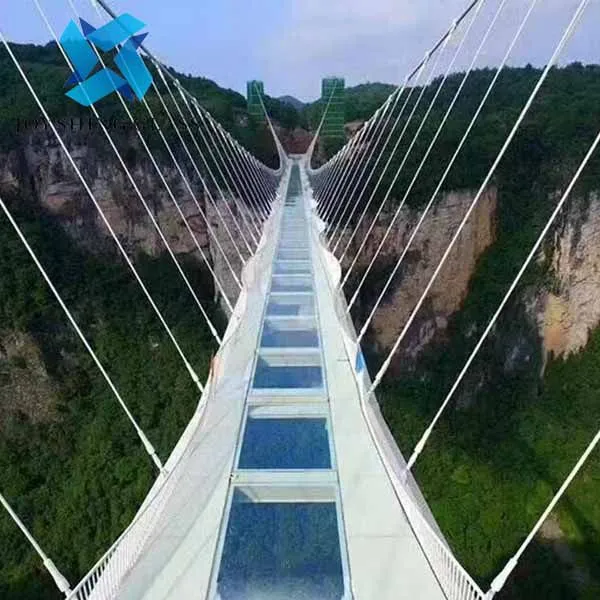 Read More
 -
Key Factors Influencing the Acoustic Performance of Architectural Glass
October 12, 2026In modern urban planning and high-rise building design, noise pollution has become one of the core pain points affecting living co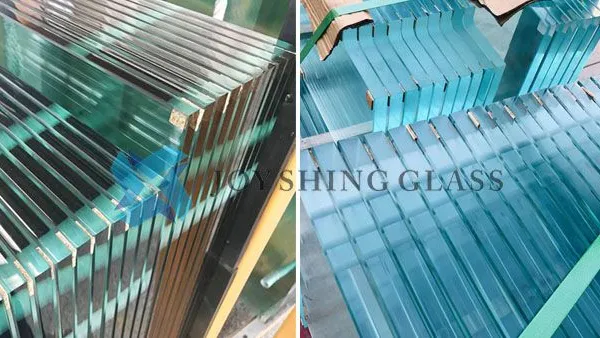 Read More
 -
In-Depth Analysis of High-Performance Energy-Saving Glass MarketIn-Depth Analysis of High-Performance Energy-Saving Glass Market
October 9, 2026Against the backdrop of the current global advocacy for "carbon neutrality" and green buildings, building energy consump Read More
 -
How Glass Curtain Wall Systems Improve Energy Efficiency (2026 Guide)
September 30, 2026IntroductionModern buildings are increasingly focused on energy efficiency, sustainability, and reducing operating costs.Glass cur Read More

Contact Us
Recommended Products
-
 Building / Furniture Curved Tempered Glass Sheets 2mm-19mm Hot Bent GlassNegotiableMOQ: 1 Case
 -
Blue Grey Insulated Glass Low-e Tempered Insulated Glass For BuildingNegotiableMOQ: 1 Case
-
Euro Grey Tempered Glass 6mm 8mm 10mm Light Grey Toughened GlassNegotiableMOQ: 1 Case
-
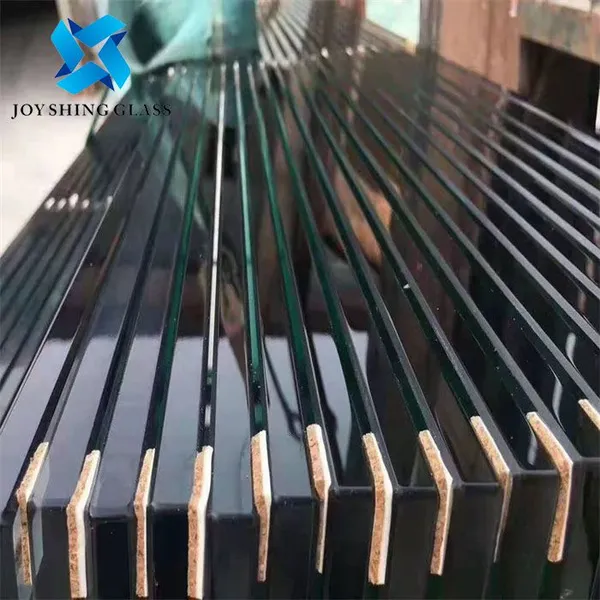
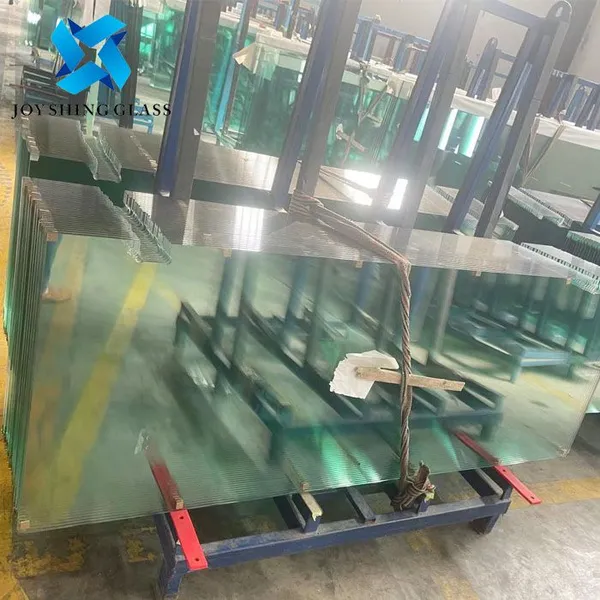
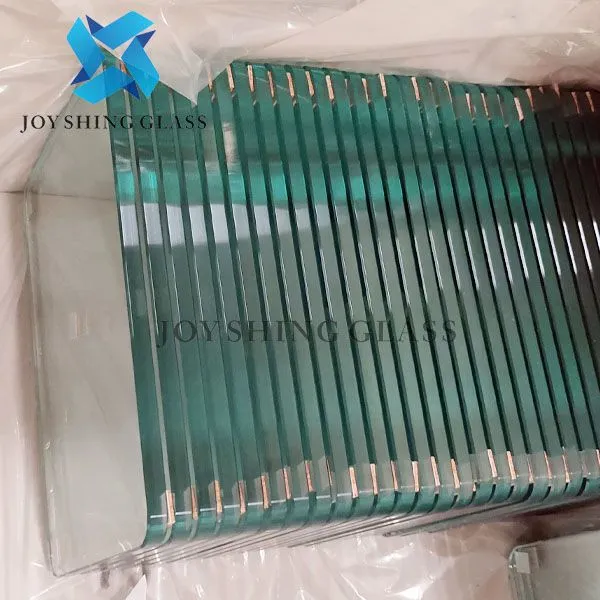
Tinted Tempered Glass F-Green Light Green Toughened Glass 3mm 4mm 5mm 6mm 10mmNegotiableMOQ: 1 Case
-
Green Tinted Toughened Glass 3mm 4mm 5mm 6mm 10mm Customize ShapeNegotiableMOQ: 1 Case
-
Dark Tempered Glass 4mm 5mm 6mm 8mm 10mm Flat/ Curved Toughened GlassNegotiableMOQ: 1 Case
-
Ultra Clear Crystal Tempered Glass Heat Soaked Toughened Railing GlassNegotiableMOQ: 1 Case
-
Insulated Glass 6+12A+6mm Low-e Tempered Hollow Glass Curtain WallNegotiableMOQ: 1 Case
-
Tempered Shower Glass Doors 6mm 8mm 10mm 12mm Toughened Glass SupplierNegotiableMOQ: 1 Case
-
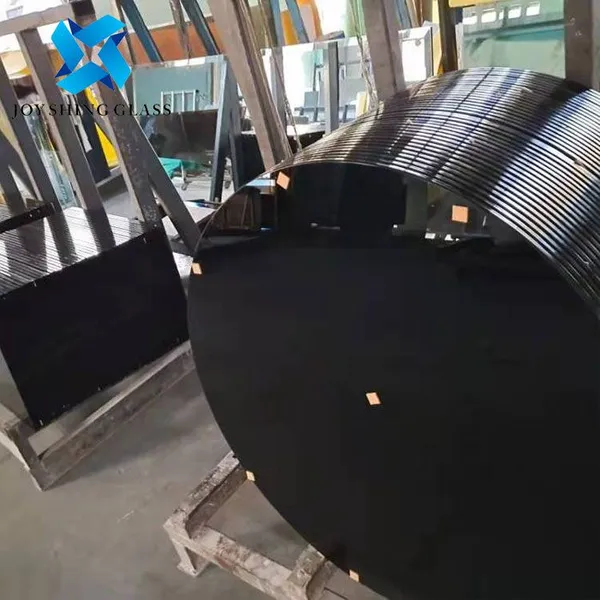
Curved Tempered Laminated Glass Building Safety Glass GuardrailNegotiableMOQ: 1 Case
-
Transparent PVB Laminated Glass Flat Curved Laminated GlassNegotiableMOQ: 1 Case
-
Soundproof Insulating Low-e Insulated Glass For Doors and WindowsNegotiableMOQ: 1 Case
-
Double Glazed Insulated Glass For Building Glass Curtain WallsNegotiableMOQ: 1 Case
-
Tinted Toughened Glass Euro Grey/F-Green/F-Blue Tempered Glass For BuildingNegotiableMOQ: 1 Case
-
Clear Toughened Glass 12mm 15mm 19mm Heat Soaked Tempered Glass For BuildingNegotiableMOQ: 1 Case
-
Low Iron Ultra Clear Toughened Glass 3mm 4mm 5mm 6mm 8mm 10mm Building GlassNegotiableMOQ: 1 Case
-
Ultra Clear Laminated Glass PVB SGP Interlayer Laminated Glass For BuildingNegotiableMOQ: 1 Case
-
PVB SGP Laminated Glass Sheets 10.38mm 12.38mm 14.76mm Security GlassNegotiableMOQ: 1 Case
-
6.38mm 10.38mm Toughened Laminated Glass PVB SGP Safety GlassNegotiableMOQ: 1 Case
-
6.38-12.38mm Tempered Laminated Glass Safety Building GlassNegotiableMOQ: 1 Case